A Beginner’s Guide to Growing Beautiful Dahlia Flowers
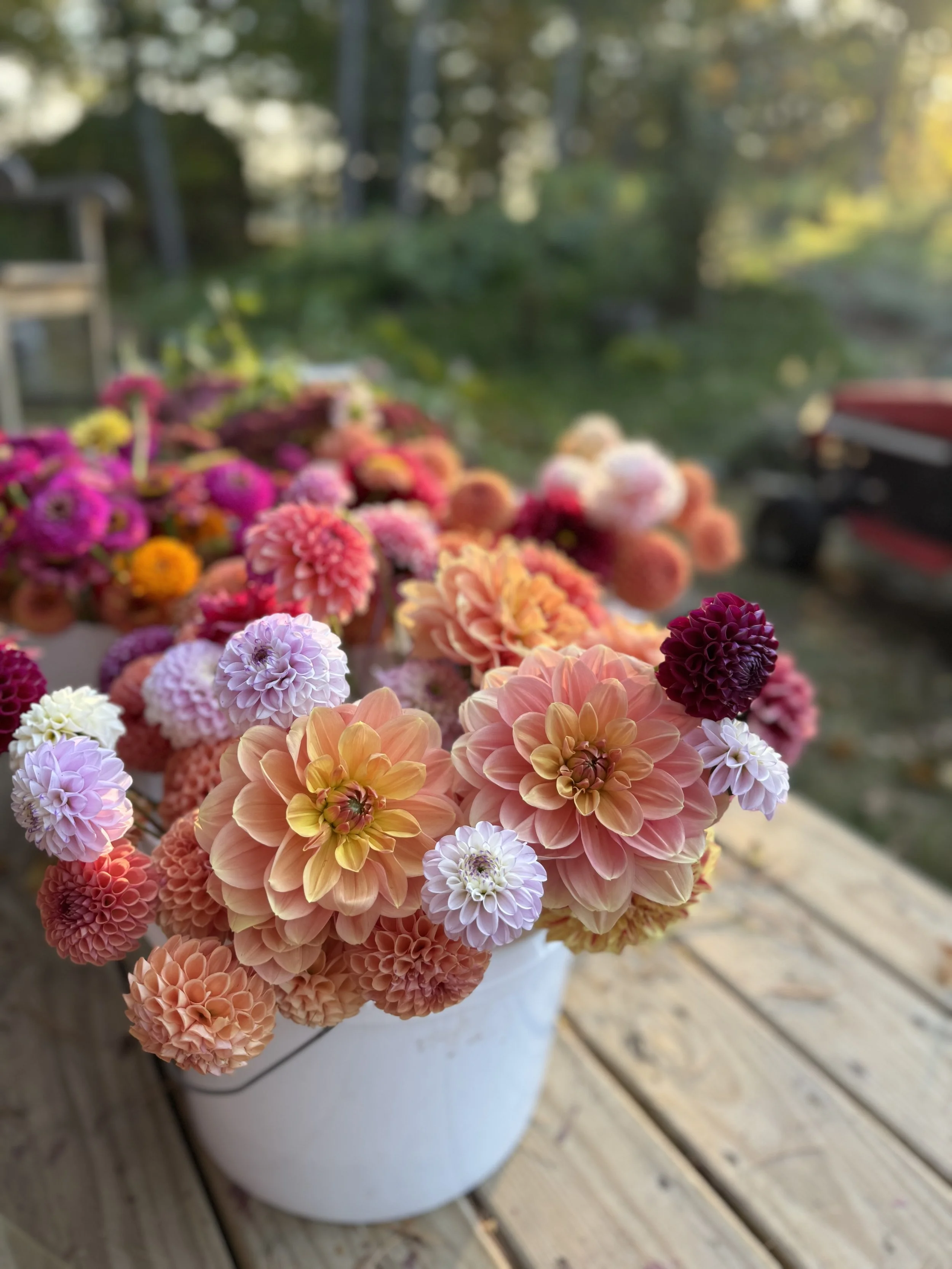
For the gardener, dahlias are one of the most rewarding flowers you can grow. Their blooms range from delicate pom-poms to dinner-plate sized flowers, and they produce armfuls of color from mid-summer until the first frost.
If you're just beginning with dahlias, the good news is that they’re surprisingly easy to grow once you understand a few basic principles.
This guide covers the growing basics, including when to plant dahlia tubers, how to care for the plants, and how to encourage more flowers throughout the season.
Why Grow Dahlias?
Dahlias are beloved by gardeners and flower farmers for a few simple reasons:
They bloom continuously for months
A single plant can produce dozens of flowers
They come in thousands of varieties and colors
They are excellent cut flowers for bouquets
Unlike many garden flowers that bloom once and fade, dahlias keep producing new stems all summer long when harvested regularly.
For anyone interested in growing flowers for bouquets or simply enjoying fresh flowers at home, dahlias are a wonderful place to start.
When to Plant Dahlia Tubers
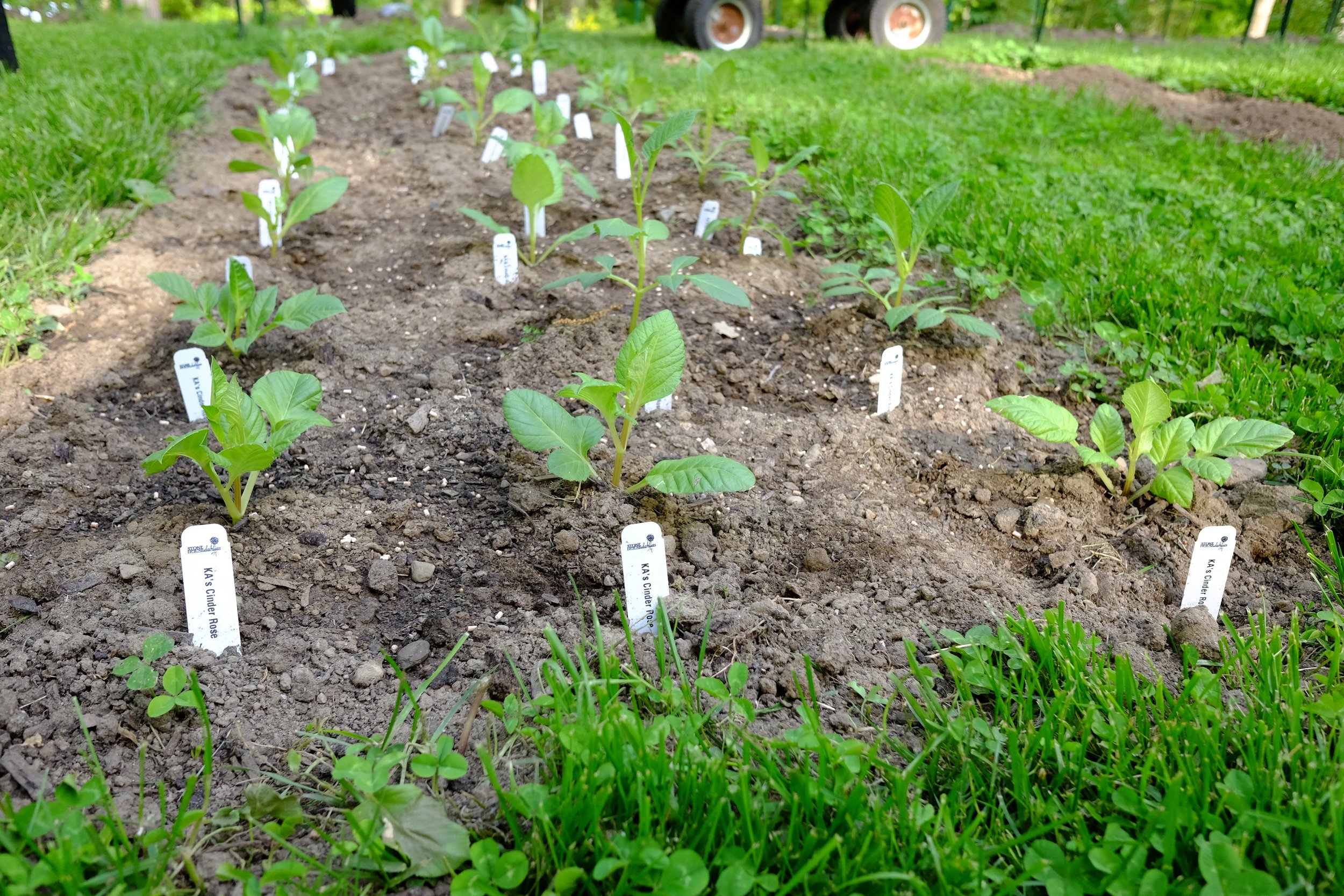
Dahlia cuttings planted after frost.
One of the most important things to know about growing dahlias is that they love warm soil.
Dahlia tubers should be planted after the last frost date in spring, once the soil has begun to warm. Planting too early in cold, wet soil can cause tubers to rot.
In most northern climates, this means planting in late spring, typically May or early June.
Choose a planting location that receives:
6–8 hours of sunlight per day
Well-draining soil
Protection from strong winds if possible
Warm soil and plenty of sunlight will help dahlias establish quickly.
How to Plant Dahlia Tubers
Planting dahlias is simple and beginner-friendly.
Follow these steps:
Dig a hole about 4–6 inches deep.
Place the tuber on its side in the hole.
Cover with soil and lightly firm the surface.
Space plants 12–18 inches apart depending on the variety.
One helpful tip: avoid watering heavily right after planting unless the soil is very dry. Tubers prefer slightly drier conditions until green shoots begin to appear above the soil.
Pinching Dahlias for More Flowers
A simple technique called pinching helps create fuller plants and more blooms.
When the plant reaches about 12–16 inches tall, you can pinch off the center growing tip just above a leaf node.
This encourages the plant to branch, producing more stems and more flowers later in the season.
Many beginner gardeners skip this step, but it makes a big difference in the overall productivity of the plant.
Watering and Caring for Dahlia Plants
Once dahlias are actively growing, they appreciate consistent watering and good airflow.
Basic care includes:
Deep watering a few times per week during dry periods
Staking taller varieties to support heavy blooms
Removing spent flowers to encourage continued blooming
Healthy plants will reward you with flowers from mid-summer through fall.
Do Dahlias Come Back Every Year?
In warm climates, dahlias can sometimes remain in the ground year-round. In colder regions, the tubers need to be dug up and stored for the winter.
After the first frost blackens the foliage:
Cut back the stems.
Carefully dig up the tubers.
Allow them to dry before storing them in a cool, frost-free place.
These tubers can then be replanted the following spring.
The Joy of Growing Dahlias
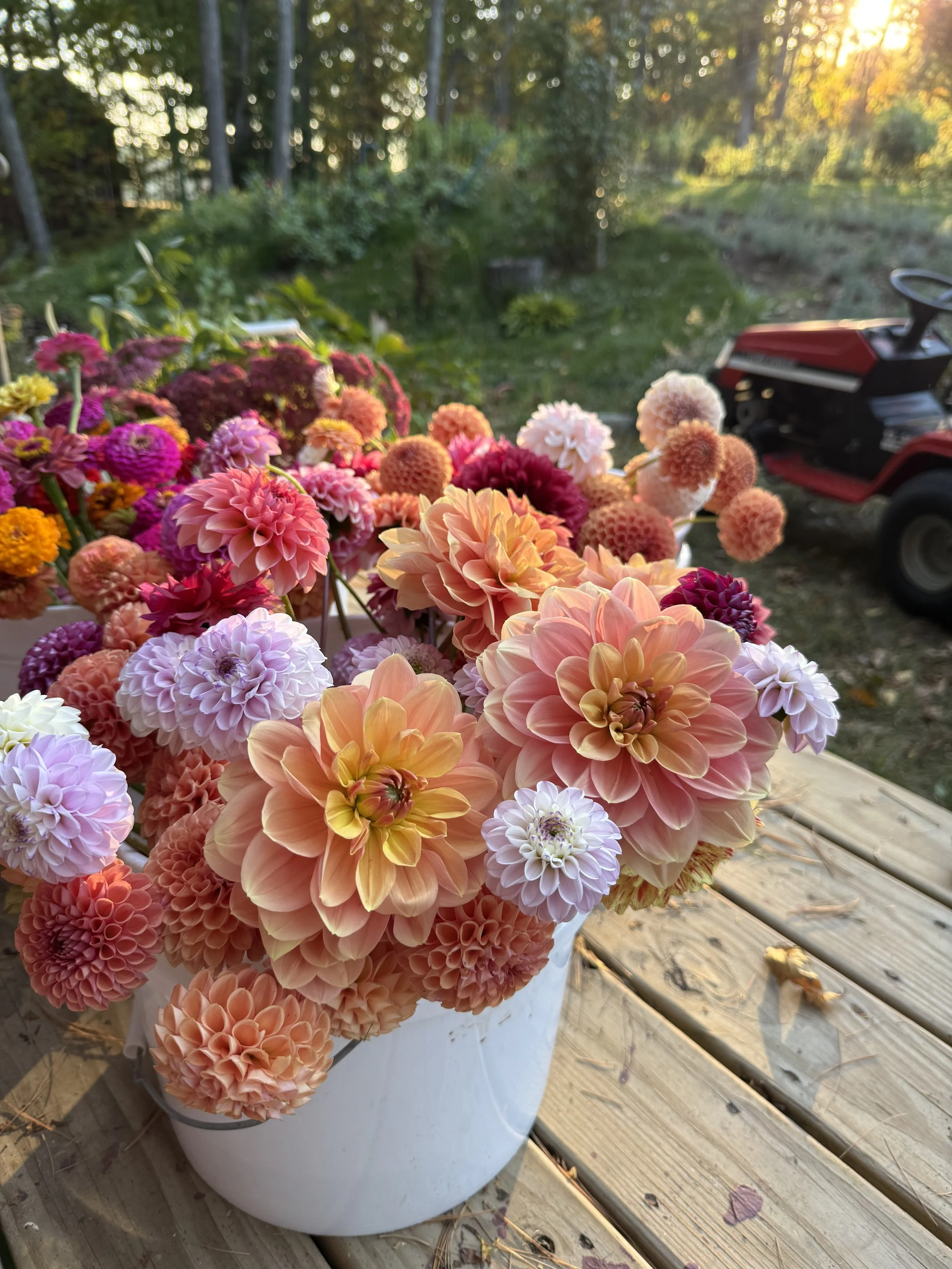
Peak dahlia season
Many gardeners start with just a few dahlia plants and quickly discover how addictive they can be. The variety of colors, shapes, and sizes makes every season exciting.
With a little care and patience, dahlias reward growers with months of beautiful blooms and endless bouquets.
Whether you're planting your first tuber or expanding your cutting garden, dahlias are a flower that brings both beauty and abundance. It also brings an opportunity to slow down and reconnect to the rhythm of nature.
